7. 1. 2025.
Why Tracking Expenses Is the First Step to Financial Freedom

You can't change what you don't measure. That's a cliché in business — but in personal finance, it's a literal truth. Most people have only a rough idea of where their money actually goes each month. The gap between what they think they spend and what the data shows is often staggering, and expensive.
The Real Cost of Not Tracking
Research consistently shows that people underestimate discretionary spending by 20–40%. That's not a minor rounding error — it's the difference between saving for a goal and wondering where your income went. Without tracking, small leaks stay invisible: the streaming service you stopped watching, the recurring delivery fee, the daily coffee that became a habit. None of these are inherently bad. They're only a problem when they're invisible.
What Expense Tracking Actually Tells You
When you track consistently over 60–90 days, patterns emerge that no spreadsheet estimate could reveal. You see which categories spike on weekends, how your mood affects your spending, which subscriptions run quietly in the background, and where you get the most value for your money. These insights are the foundation of every good financial decision that follows — from budgeting to investing to setting realistic savings goals.
Manual Tracking vs. Automated Tracking
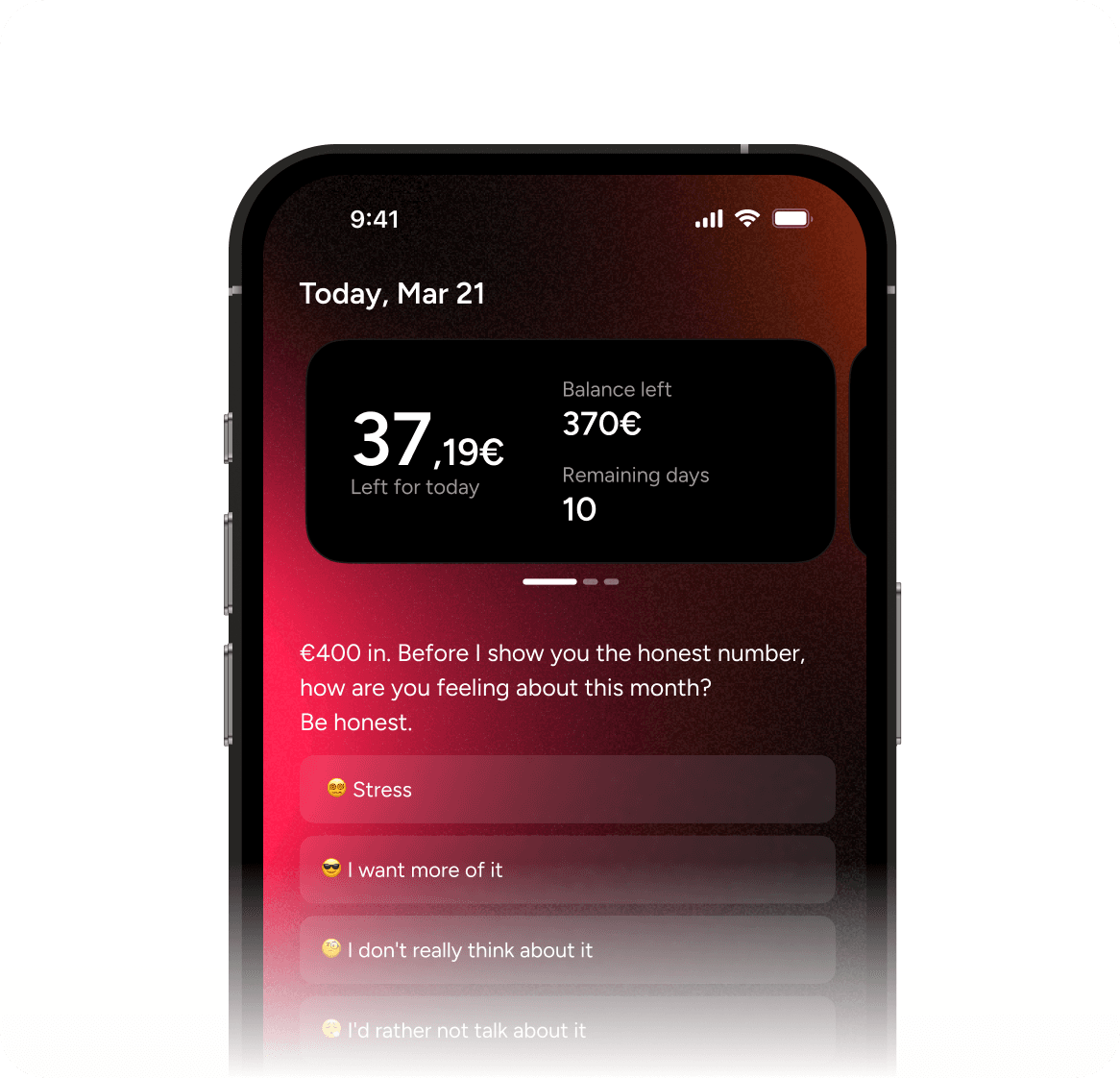
Manual expense logging — writing down every purchase — builds awareness quickly. It's uncomfortable at first, and that discomfort is the point. But it's hard to sustain long-term. Automated tracking, where your bank transactions are pulled directly into categories, solves the consistency problem. The best approach for most people is automation for the data layer, combined with a weekly review that keeps you engaged and honest. Tools like Kinta connect to your bank accounts via PSD2-compliant open banking and surface your spending in real time, so the data is always there when you need it.
How to Build a Tracking Habit That Lasts
Link tracking to an existing habit. Review your expenses right after your morning coffee or during a Sunday evening wind-down. Attach it to something that already happens.
Keep categories simple. Too many categories create friction. Start with five: housing, food, transport, entertainment, and everything else. Refine as you go.
Review, don't judge. The goal of your weekly check-in is observation, not self-criticism. Notice the patterns. Then decide if you want to change them.
Make the data visible. A spending chart on your home screen does more for your habits than a spreadsheet you open once a month.
Conclusion
Tracking your expenses won't change your financial situation on its own — but it makes every other change possible. It turns money from something that happens to you into something you actively manage. That shift in perspective is the beginning of financial freedom, not the end of it.