How to Build a Budget That Actually Sticks

Most budgets fail within two weeks. Not because people lack discipline — but because they're built on assumptions instead of actual habits. A budget that works isn't a restriction. It's a clear picture of where your money goes, and a deliberate choice about where it should go instead.
Start With What You Actually Spend, Not What You Think You Spend
Before setting any limits, track your last 30 days of spending without changing anything. Most people are surprised: subscriptions they forgot, dining spend that's doubled, small purchases that quietly accumulated. This baseline is your honest starting point. Skip this step and you're budgeting in the dark.
Use the 50/30/20 Rule as a Starting Framework
The 50/30/20 rule is one of the most widely recommended frameworks for a reason — it's flexible enough to adapt to almost any income level. Allocate 50% of your take-home pay to needs (rent, groceries, utilities), 30% to wants (entertainment, dining out, hobbies), and 20% to savings and debt repayment. These aren't rigid laws, but they give you a meaningful benchmark to measure against.
Budget for Irregular Expenses — They're Not Surprises
Car insurance, annual subscriptions, birthday gifts, dentist appointments — these come every year, yet most budgets treat them like emergencies. Identify all the irregular expenses you had last year, add them up, and divide by 12. That's your monthly "life happens" fund. Set it aside automatically so it's there when you need it.
Make Visibility Your Biggest Advantage
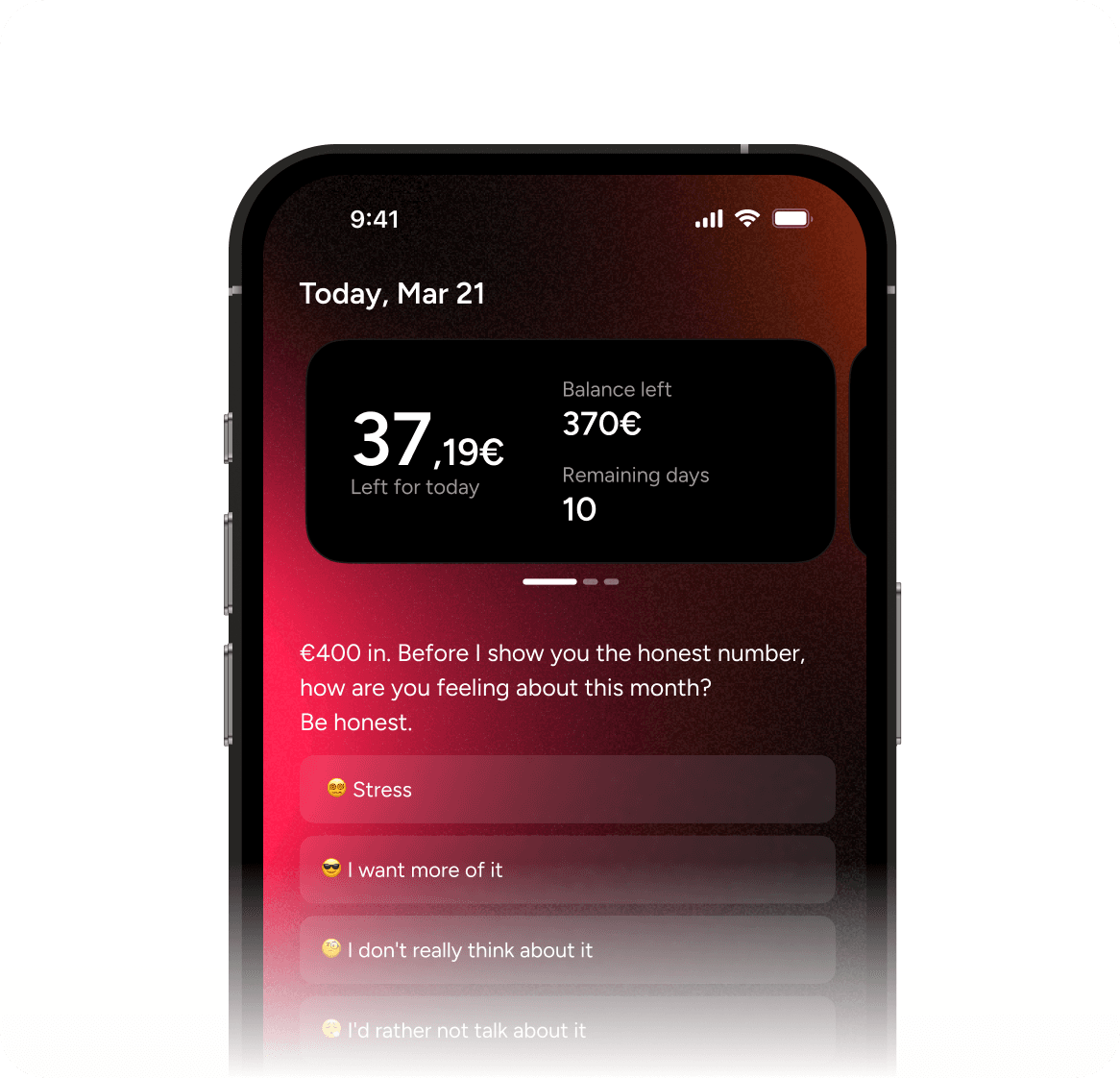
The single most effective change you can make to your budgeting habit is making your finances visible every day — not just when something goes wrong. When you can see your spending categories, current balances, and progress toward goals on a single screen, decisions become instinctive. You stop asking "can I afford this?" and start knowing. Apps like Kinta are built around exactly this idea: a personal dashboard that shows only what matters to you, laid out in a way that actually makes sense.
Common Budgeting Mistakes to Avoid
Being too restrictive too fast. Cutting everything at once leads to burnout. Start by trimming 10–15% from one category and build from there.
Not accounting for fun. A budget with zero room for enjoyment isn't sustainable. Include it intentionally so it doesn't blow up unintentionally.
Reviewing it only when something breaks. Check your budget weekly — even a two-minute glance is enough to stay on track.
Treating it as punishment. A budget is a plan for your money — not proof that you're bad with it. Reframe it as a tool, not a cage.
Conclusion
A budget that sticks isn't perfect — it's honest. It reflects your actual life, adapts when things change, and gives you enough room to breathe while still moving you forward. Start small, stay consistent, and let your financial picture do the motivating.